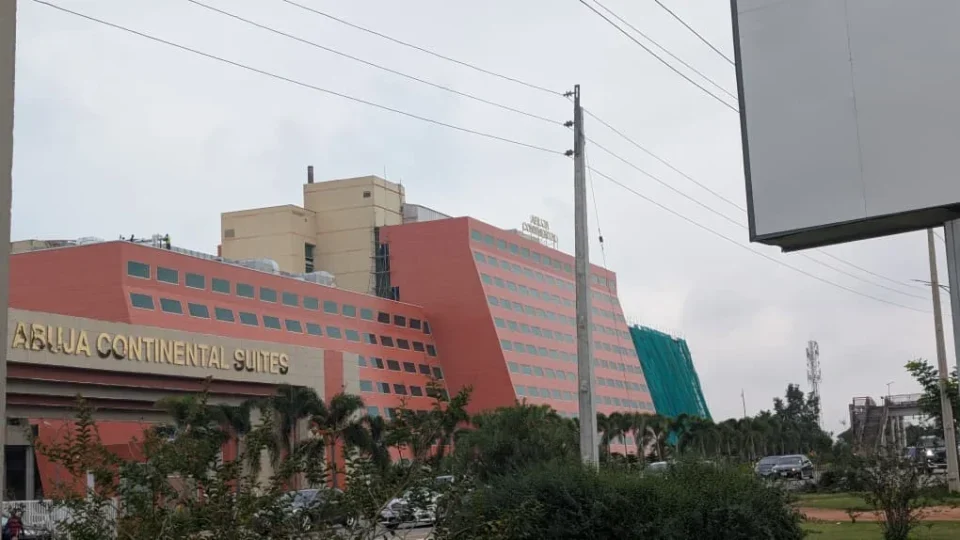
A labour dispute has emerged in Abuja after the Nigeria Labour Congress, NLC, and the Trade Union Congress, TUC, reportedly picketed a hotel following disagreements over union representation of its workers. The development has drawn attention to the rights of employees to decide how they are represented and the role of organised labour in protecting workers’ interests. Reports indicate that some employees of the hotel rejected the attempt by the unions to represent them, leading to tensions between the workers and organised labour. The NLC and TUC, however, are believed to be insisting that workers should have the opportunity to organise and participate in trade union activities in accordance with Nigerian labour laws. The picketing exercise was reportedly aimed at drawing attention to the dispute and pressing for the resolution of issues surrounding workers’ representation and labour rights. Trade unions often use picketing as a means of expressing grievances and encouraging employers to engage in negotiations. However, the situation becomes more complex when employees themselves disagree about whether they want union representation. Workers have the right to freedom of association, and any dispute over unionisation may require careful consideration of existing labour laws and the specific circumstances of the workplace. The disagreement also highlights the importance of dialogue between employees, management and organised labour. A negotiated solution could prevent the dispute from affecting the hotel’s operations or creating further tension among workers. Labour authorities may also become involved if the disagreement persists or if either side alleges that its rights have been violated. Employers are expected to respect lawful workers’ rights, while unions are expected to operate within the limits established by labour regulations. Employees, in turn, can express their preferences concerning representation through appropriate legal channels. The Abuja incident has therefore renewed discussion about unionisation and workers’ freedom of choice in Nigeria’s private sector. Resolving the dispute peacefully would allow the affected workers to continue their duties while ensuring that legitimate labour concerns are properly addressed. Stakeholders may now seek further discussions to clarify the workers’ position and determine whether an acceptable arrangement can be reached. The outcome could also influence how similar disagreements between unions, employers and employees are handled in the future.