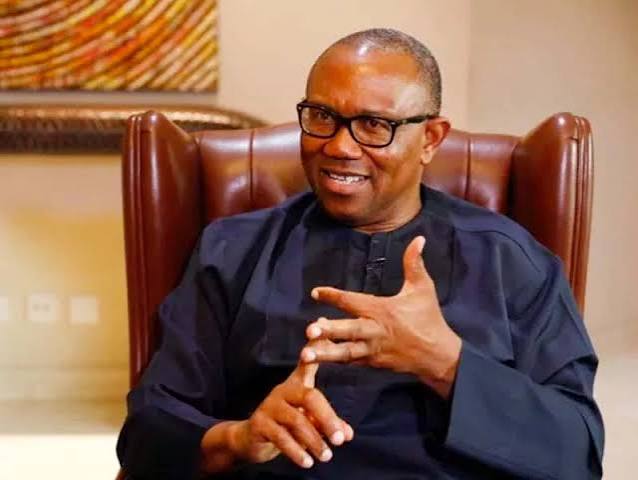
Peter Obi’s camp has fired a fresh shot at President Bola Tinubu over his plan to rely on campaign allies for some electioneering activities. The message is blunt: Nigerians want to hear directly from the man asking for another four years, not just from the politicians speaking on his behalf.
In a statement issued on Thursday, October 15, the Peter Obi Media Office criticised Tinubu’s reported decision to skip some campaign rallies because of his responsibilities as president. The statement, signed by spokesperson Idris Zekeri, argued that while party leaders and political allies can campaign for Tinubu, they cannot take responsibility for his administration’s record.
“You cannot govern by proxy, campaign through surrogates, and expect votes from Nigerians,” the media office declared, setting the tone for another round of political exchanges ahead of the 2027 election.
The statement challenged Tinubu to explain how his policies have affected the everyday lives of Nigerians, particularly the cost of food, transportation, electricity, housing and other essential cannot govern by proxy, and you cannot campaign for votes through surrogates while avoiding direct engagement with the people whose mandate you seek,” the statement said, challenging the president to explain his policies and the results Nigerians should expect from his leadership.
Obi’s camp also questioned whether Tinubu’s proposed campaign approach would give voters enough opportunity to assess his performance. It argued that Nigerians deserve direct answers on the cost of living, food prices, transportation, insecurity, unemployment and the impact of the government’s economic reforms.
The criticism comes as political parties intensify preparations for the 2027 general election. Tinubu’s All Progressives Congress (APC) has inaugurated its presidential campaign council, bringing together party leaders and prominent political figures to coordinate its re-election effort.
The president has reportedly indicated that his official responsibilities may prevent him from attending every campaign rally. Supporters could argue that delegating campaign activities allows the president to continue governing while his team mobilises voters. Obi’s camp, however, insists that delegation should not replace direct accountability to Nigerians.
The exchange highlights a major question ahead of the election: how will candidates convince voters that they deserve another mandate when many households are still concerned about rising prices, jobs and personal security?
For Obi and his supporters, the demand is straightforward: candidates should explain their records, defend their decisions and present clear plans for the country’s future. For Tinubu, the coming campaign will provide an opportunity to make his case to Nigerians and respond to criticism of his administration.
With the 2027 election approaching, more political exchanges are expected. But beyond the headlines and campaign speeches, voters will ultimately judge the candidates by their policies, performance and ability to address the problems affecting everyday life.
Will Tinubu respond directly to Obi’s challenge, or will his campaign team do most of the talking? Nigerians will be watching as the race for 2027 gathers momentum.