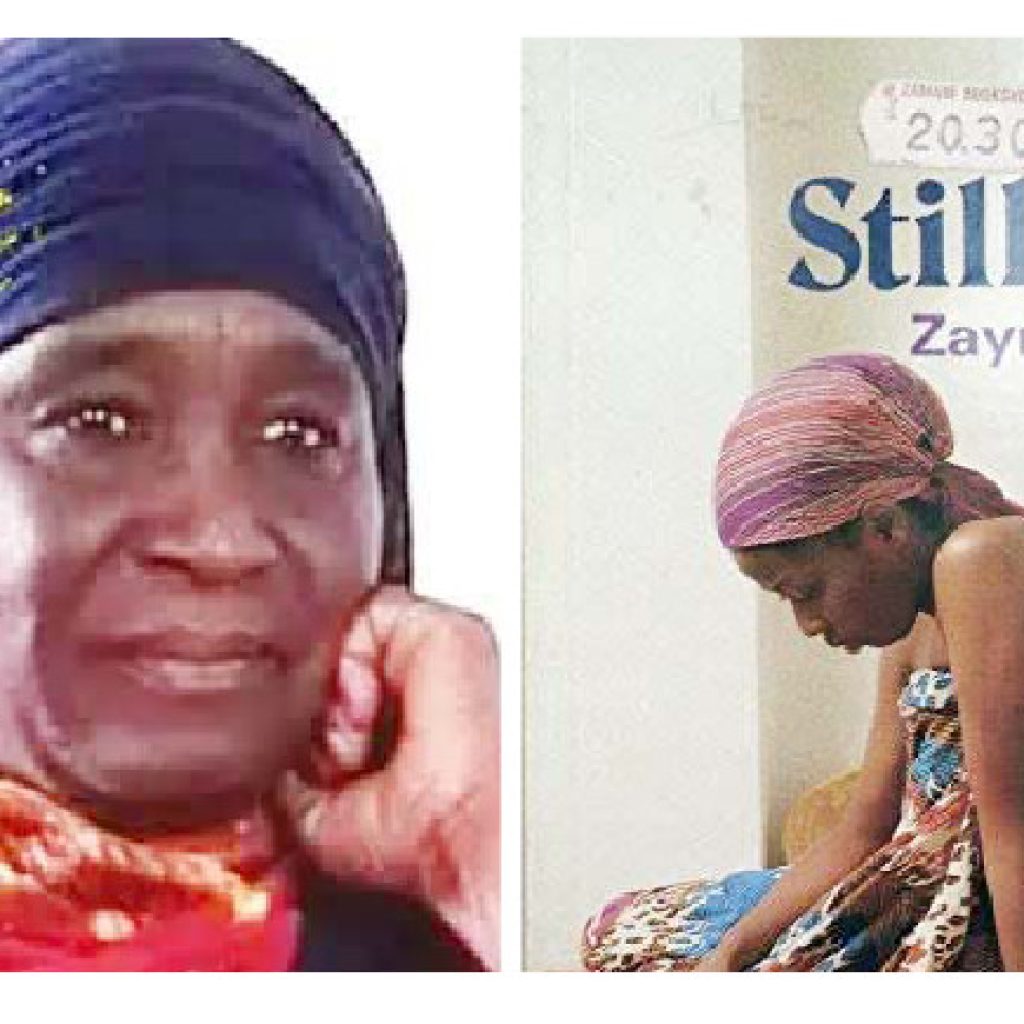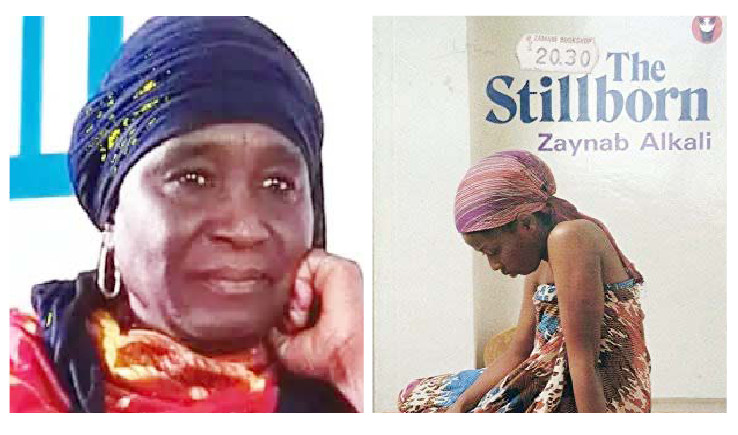
Zaynab Alkali is widely recognised as an important Nigerian writer whose work helped bring the experiences, struggles and aspirations of women in northern Nigeria into the national literary conversation. Through her novels and other writings, Alkali explored themes of womanhood, family, education, culture, marriage and social expectations, offering readers a deeper look into the lives of women navigating traditional and changing societies. Her literary contribution became particularly significant because she wrote about northern Nigerian women at a time when their experiences received relatively limited attention in mainstream Nigerian literature. One of her best-known works, The Stillborn, examines the challenges faced by women as they confront family expectations, relationships and the search for personal fulfilment. The novel has remained an important text in Nigerian literature and has been studied by students and researchers interested in gender, culture and African literature. Alkali’s writing often presents women as complex individuals dealing with difficult choices rather than simply as supporting figures within family or community settings. Her characters reflect the tension between tradition and modernity, particularly as education and changing social values influence the lives of young women. Beyond her literary achievements, Alkali’s work has contributed to broader conversations about women’s education and social independence in northern Nigeria. By placing women’s voices and experiences at the centre of her storytelling, she helped challenge the limited representation of northern women in Nigerian fiction. Her contribution has also influenced discussions about the role of female writers in documenting social realities and preserving cultural experiences through literature. Alkali’s place in Nigerian literary history continues to attract attention from scholars, students and readers. Her work remains relevant because many of the questions she explored about identity, gender, family and social expectations continue to shape conversations about Nigerian society today.